Latest insights
Which Type of Mortgage Loan Is Right for You?

September 1, 2026
By team Lenn & Co.
When you're buying a home, one of the biggest decisions you'll make is how to finance it.
There's no single mortgage that's right for everyone. Your income, credit, down payment, property, employment, and long-term plans can all influence which type of financing may be appropriate.
Understanding some of the most common mortgage options is a great place to start.
Conventional Loans
Conventional mortgages are among the most common home financing options and aren't insured by a federal government agency.
They can be a strong option for many homebuyers, but down payment, credit, income, and other requirements can vary based on the borrower and loan program.
Conventional financing can be worth exploring whether you're purchasing your first home or your fifth.
FHA Loans
FHA loans are insured by the Federal Housing Administration and can provide more flexible qualification requirements than some conventional programs.
Although FHA financing is frequently associated with first-time homebuyers, you don't necessarily need to be buying your first home to qualify.
For some Maine buyers, an FHA mortgage can provide another path toward homeownership.
VA Loans
VA loans are available to eligible veterans, active-duty service members, and certain surviving spouses.
One of the most notable benefits for eligible borrowers is the possibility of purchasing a home without a down payment. VA loans also have other unique features and eligibility requirements that should be considered when comparing financing options.
USDA Loans
USDA financing is designed to encourage homeownership in eligible rural and suburban communities.
Qualified borrowers purchasing eligible properties may be able to finance a home without a down payment. Because eligibility depends on several factors, including the borrower and property location, it's important to determine whether the home you're considering qualifies.
Renovation Loans
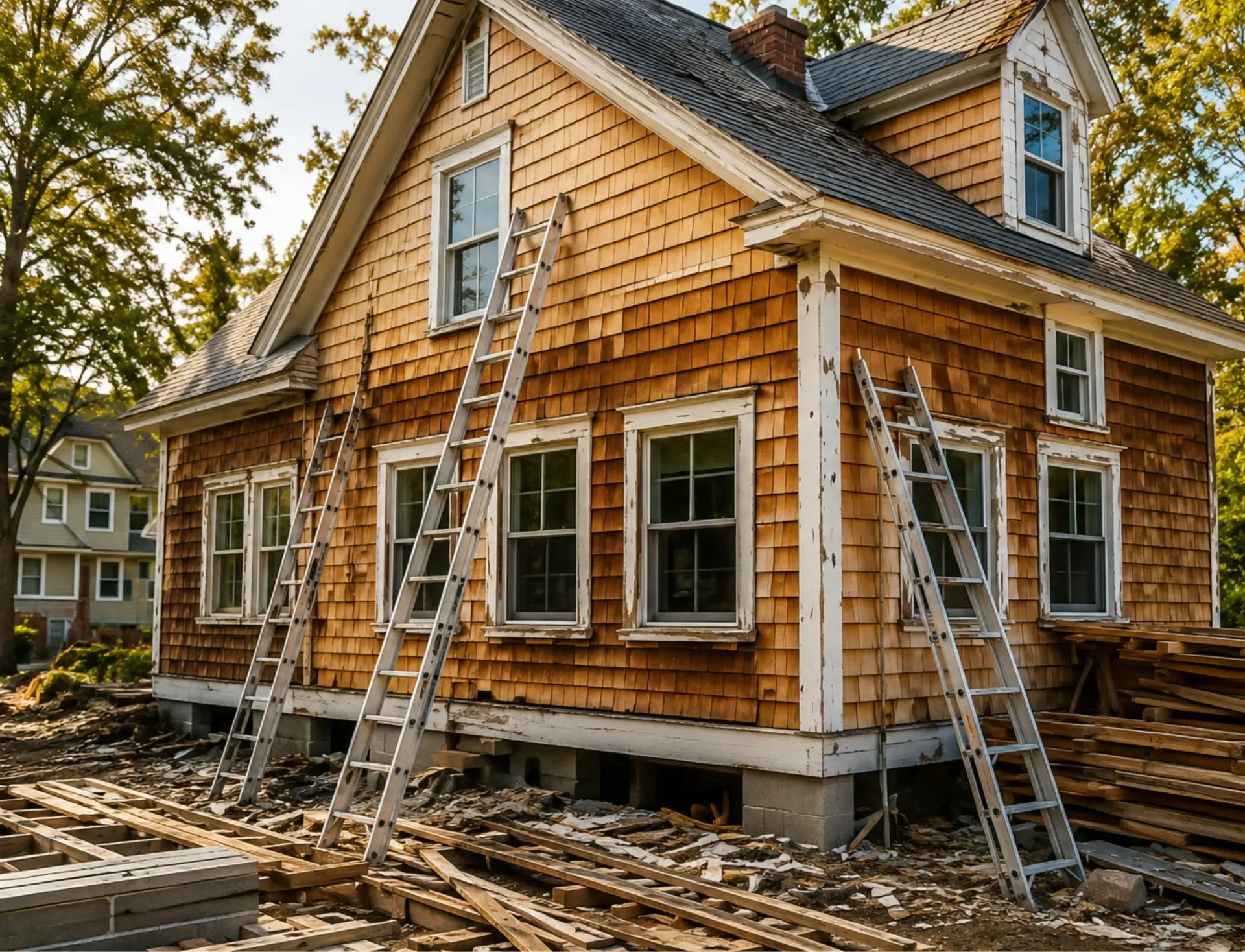
Sometimes the right home isn't perfect yet.
Renovation financing can provide qualified borrowers with a way to finance a home purchase and eligible improvements through a renovation-focused loan program.
For Maine buyers considering an older home or a property that needs updates, renovation financing may open up possibilities that would otherwise be overlooked.
What If You're Self-Employed?
Traditional mortgages aren't the only financing options available.
For certain self-employed borrowers, programs using alternative income documentation—such as Bank Statement or Profit & Loss loans—may be worth exploring.
Rather than assuming self-employment will prevent you from getting a mortgage, talk with a mortgage professional about how your income is structured and what options may be available.
What About Real Estate Investors?
Real estate investors have different goals and financing needs than someone purchasing a primary residence.
Depending on the borrower, property, and investment strategy, options such as DSCR and Fix & Flip financing may be available.
So, Which Mortgage Is Best?
The answer depends on you.
Rather than choosing a mortgage based solely on what you've heard about a particular program, consider the entire picture: your finances, the property you're purchasing, how long you expect to own it, and what you want your financing to accomplish.
With more than 10 years of experience in the mortgage industry, I help Maine borrowers understand their options without making the process more complicated than it needs to be.
If you're considering buying, refinancing, renovating, or investing in Maine real estate, connect with Tyler Smith to explore your mortgage loan options.
Other insights
More from Lenn & Co.